

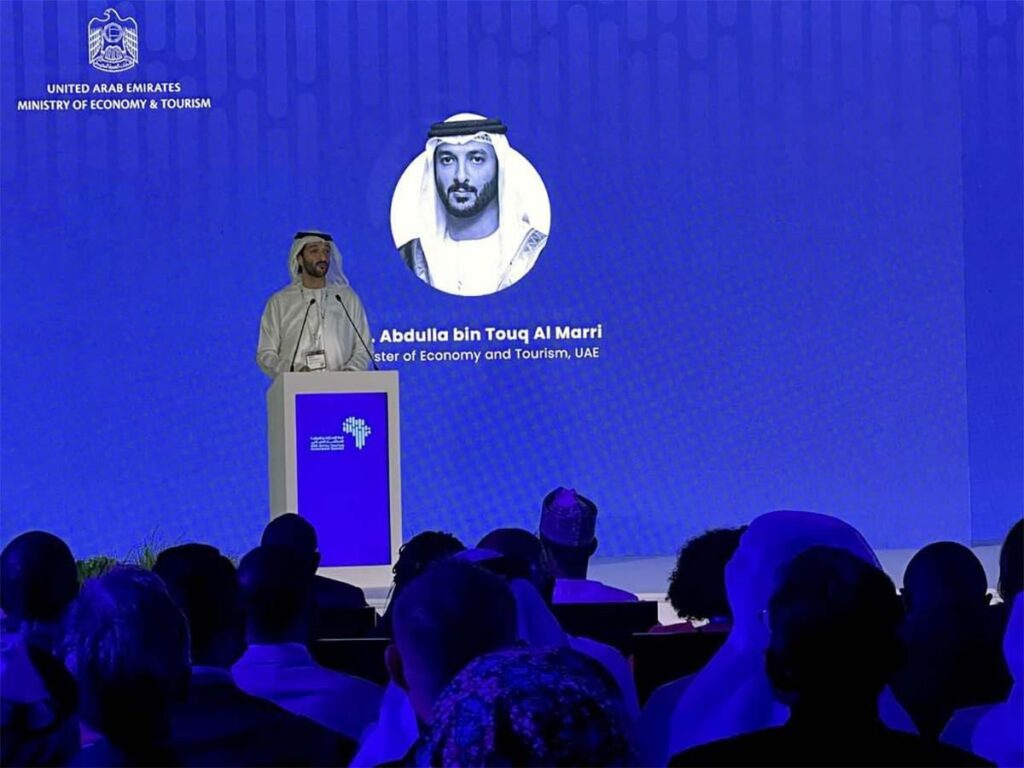
The United Arab Emirates has officially opened a new chapter in Africa–Middle East collaboration, hosting the inaugural UAE–Africa Tourism Investment Summit in Dubai on October 27, 2025. Held under the theme “Building Bridges for Sustainable Growth,” the summit brought together over 20 African nations, government representatives, and private sector investors to explore tourism investment, sustainability, and innovation opportunities between both regions.
A New Era of UAE–Africa Cooperation
The summit, organized by the UAE Ministry of Economy and Tourism in partnership with the Future Hospitality Summit (FHS World), marked a turning point in UAE–Africa economic relations.
UAE’s Minister of Economy, Abdulla bin Touq Al-Marri, announced the launch of a US $6 billion investment-mapping initiative aimed at boosting tourism, aviation, infrastructure, and logistics projects across the African continent.
“This milestone is marked by the launch of a new investment mapping initiative with an estimated total value of approximately six billion US dollars and the potential to generate around 70,000 job opportunities across Africa,” said Al-Marri during his keynote address. The initiative is expected to position Africa as one of the fastest-growing tourism investment destinations globally, building on the continent’s rich natural heritage, cultural diversity, and increasing air connectivity with the UAE.
The Five Pillars of Growth
Discussions at the summit centered around five strategic pillars shaping the future of UAE–Africa tourism cooperation:
- Tourism investment and infrastructure
- Aviation and connectivity
- Sustainability and environmental stewardship
- Innovation and digital transformation
- Public–private partnerships
These themes will guide future collaboration between the UAE and African nations as both regions seek to diversify their economies beyond oil, attract private capital, and create sustainable jobs through tourism.
Tourism as an Economic Driver
Tourism remains one of Africa’s most promising sectors, contributing an average of 8.5 percent to the continent’s GDP and employing millions of people before the COVID-19 pandemic.
The UAE’s growing investments are expected to strengthen this rebound. Between 2019 and 2023, the UAE invested over US $110 billion across Africa, becoming one of the continent’s largest external investors.
By aligning with African nations’ development agendas, the summit aims to accelerate the construction of hotels, resorts, airports, and tourism corridors that attract international visitors and enhance regional integration.
Building the Future of African Tourism
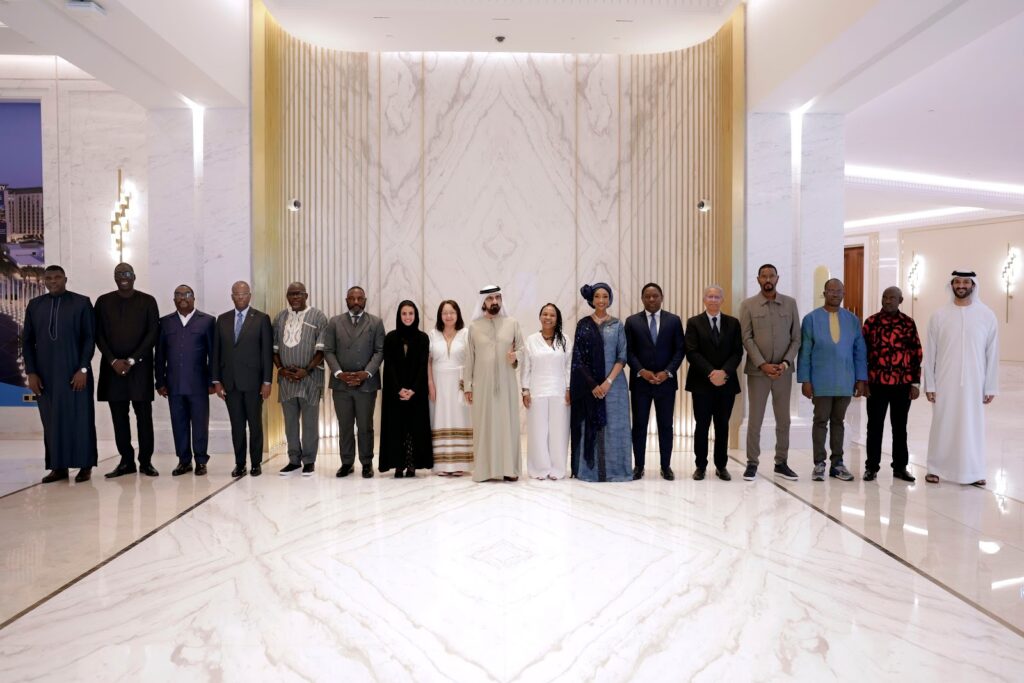
Delegates from across Africa, including tourism ministers and investment agencies, expressed optimism that the summit would unlock a new era of growth. Several discussions explored how UAE’s world-class hospitality expertise could support African destinations in improving standards, service delivery, and marketing.
The event also highlighted airline connectivity as a critical enabler of tourism growth. Carriers such as Emirates and Etihad Airways are expected to expand their routes to key African destinations, making travel between the Middle East and Africa more seamless.
Sustainability in Focus
The summit underscored the importance of sustainable tourism, urging investors to prioritize green infrastructure, community engagement, and environmental conservation in new projects.
Shaikha Nasser Al-Nowais, Secretary-General-elect of the UN World Tourism Organization, emphasized that sustainable development must remain central to future tourism growth.
Looking Ahead
With the UAE positioning itself as a gateway for global investors into Africa, the UAE–Africa Tourism Investment Summit has set the tone for stronger economic and tourism partnerships.
If fully implemented, the US $6 billion investment plan could reshape the continent’s tourism landscape, creating 70,000 jobs and transforming Africa into one of the world’s most dynamic travel markets.
As follow-up projects and country-specific agreements unfold in the coming months, Africa’s tourism future may well depend on how effectively these commitments translate into on-ground results.