
Remote work has fundamentally transformed global mobility. What began as an emergency solution during a global crisis has evolved into a long-term shift in how, where, and why people work. Around the world, governments are responding with new visa categories designed to harness this shift. While Europe and Asia moved early, Africa is now positioning itself as the next major destination for globally mobile professionals.
Across the continent, governments are rolling out Digital Nomad Visas (DNVs) and remote work permits that allow foreign workers to legally reside in-country while earning from international employers. This shift signals a new chapter for tourism, talent mobility, and economic diversification in Africa. At ComeMakeWeGo Africa, we believe this is more than a trend; it is a structural evolution that places Africa firmly on the global remote work map.

South Africa: A High-Value Urban Base
South Africa has emerged as one of the continent’s most strategic destinations for high-earning remote workers. Its Remote Work Visa is designed for financially self-sufficient professionals who can demonstrate a stable foreign-sourced income. With Cape Town, Johannesburg, and Durban offering globally competitive infrastructure, modern coworking environments, and diverse cultural experiences, the country appeals to remote workers seeking long-term stability and a world-class lifestyle.
The policy’s income threshold ensures that applicants contribute to the economy without competing for local employment. The result is a balanced framework that attracts global talent while protecting local interests.

Kenya: East Africa’s Technology Powerhouse
Kenya’s Class N Digital Nomad Permit formalizes remote residency in a country already recognized for its innovation leadership. Nairobi, known internationally as the “Silicon Savannah,” has become a regional hub for startups, venture capital, and digital transformation.
The permit is structured to integrate foreign remote workers into Kenya’s broader economic vision without creating pressure on the local job market. Reliable connectivity, a strong entrepreneurial ecosystem, and Kenya’s unmatched natural attractions combine to create a compelling environment for digital professionals seeking a base in East Africa.

Mauritius: Remote Work in a Stable Island Economy
Mauritius was one of the first countries in Africa to launch a long-stay visa specifically tailored to remote workers. The Premium Travel Visa enables international professionals to reside on the island while working for clients or employers abroad.
Mauritius offers political stability, a structured economy, strong financial services, and an environment built for international living. For remote workers prioritizing safety, convenience, and high-quality infrastructure, Mauritius presents a seamless blend of lifestyle and productivity.
Namibia and Cape Verde: Emerging Nomad-Friendly Destinations
Namibia and Cape Verde have introduced programs aimed at remote workers seeking short- to medium-term stays. Namibia’s Digital Nomad Visa provides a six-month residency window, emphasizing financial self-sufficiency. Cape Verde’s Remote Working Program offers a renewable six-month permit targeted at professionals whose income originates outside the country.
These programs reflect a broader recognition across the continent of the opportunities presented by long-stay, foreign-earning visitors. Both nations offer stable environments, developing tourism sectors, and unique natural attractions that appeal to remote professionals seeking new experiences.
Why Africa Is Becoming a Global Digital Nomad Frontier
Three core dynamics are driving this shift:
1. Strengthening Digital Infrastructure
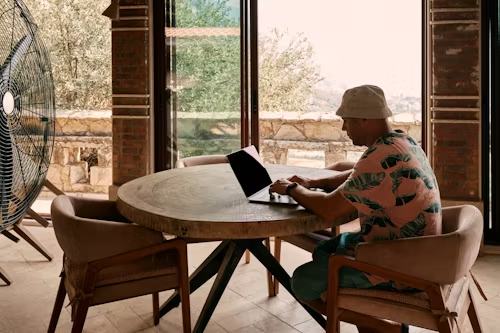
African cities such as Nairobi, Kigali, Cape Town, Casablanca, and Accra have invested heavily in high-speed internet and digital infrastructure, making remote work not only possible but efficient.
2. Cost Efficiency and Quality of Life
Africa offers significant value for global earners. In many countries, the cost of living remains competitive while providing access to quality accommodation, modern amenities, and diverse cultural experiences.
3. Cultural Depth and Natural Diversity
From wildlife reserves and coastlines to historic cities and vibrant cultural landscapes, Africa provides a level of experiential diversity unmatched by many other regions. Remote workers are increasingly prioritizing destinations that offer more than just functional living; they want meaningful experiences, and Africa delivers that in abundance.
The Shared Policy Framework Across African Digital Nomad Visas
While policies vary from country to country, most African Digital Nomad Visas adhere to a similar set of principles:
- Applicants must earn their income exclusively from foreign employers or clients.
- Financial stability is mandatory, typically demonstrated through income statements or bank records.
- Comprehensive international health insurance is required for the duration of the stay.
- Tax obligations depend on the length of residency, with stays beyond 183 days often triggering tax residency depending on local laws.
These frameworks ensure that digital nomad programs support economic growth, protect local labor markets, and maintain sustainable tourism models.
A New Era for Travel, Work, and Mobility in Africa
Africa’s embrace of digital nomadism represents a significant evolution in its tourism and investment landscape. By welcoming remote workers through structured, well-regulated visa pathways, African countries are diversifying their economies, extending visitor stays, and bringing new energy into local communities.
For remote professionals, Africa offers more than a change of scenery. It offers a new way of life: one defined by creativity, connection, natural beauty, and a cultural richness that cannot be replicated elsewhere.
Africa is not simply opening its doors but positioning itself as one of the world’s most compelling destinations for modern, mobile professionals. And ComeMakeWeGo Africa is committed to documenting this transformation as it unfolds across the continent.