
Across Africa, women are increasingly shaping how visitors experience culture, community, heritage, and adventure. In many destinations, female-led tourism experiences are not only preserving traditions but also creating sustainable livelihoods and bringing authenticity to the heart of travel.
From cultural immersion to wilderness exploration, these women-led initiatives are shifting narratives, strengthening local economies, and showing the world a more inclusive side of African tourism.
Here are some of the most inspiring destinations where women are redefining the travel experience:
1. Maasai Women-Led Cultural Villages, Kenya
In Kenya’s Maasai Mara and Amboseli regions, groups of Maasai women are running cultural villages that offer travelers a deep, community-rooted experience. Visitors can:
- Learn beadwork craftsmanship
- Participate in traditional dance
- Explore Maasai cuisine and homestead life
- Engage in storytelling sessions around identity and heritage
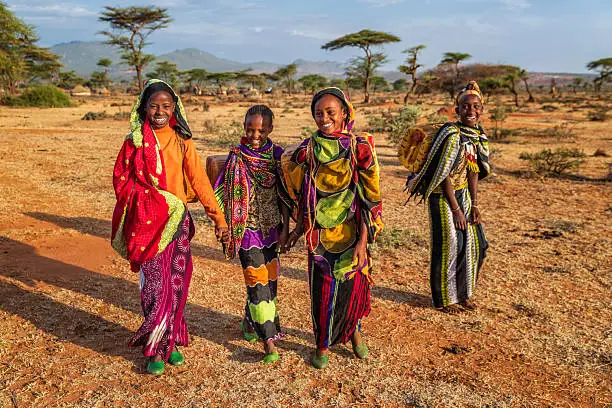
These women-led villages preserve indigenous knowledge while generating income for local households. Many of these enterprises fund girls’ education, maternal health, and community development projects.
2. Himba Women-Run Homestays, Namibia
Among the Himba communities of northern Namibia, women are central to preserving cultural identity. Today, many Himba women manage homestays that give travelers an intimate look into:
- Traditional hair braiding and ochre skincare rituals
- Milking livestock and everyday pastoral routines
- Wooden hut construction and handicrafts
- Community-led storytelling on ancestry and spiritual beliefs
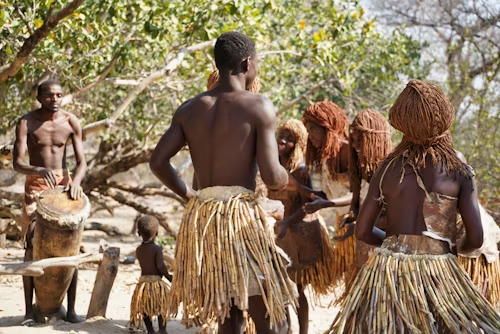
These homestays are not staged encounters; visitors participate in real daily life, making the experiences authentic and socially impactful.
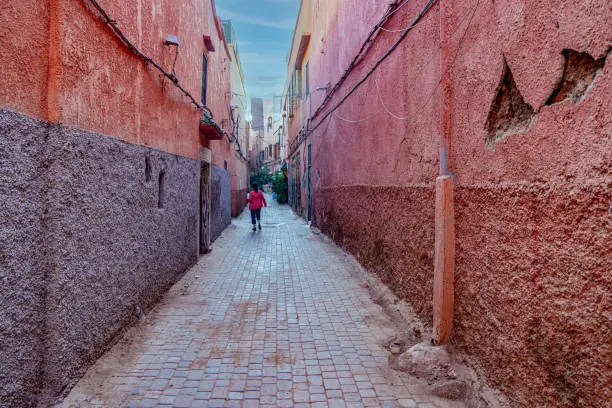
3. Berber Women’s Cooperatives, Morocco
Across Morocco’s Atlas Mountains and rural villages, Berber women’s cooperatives have become hubs of cultural tourism. Travelers can engage in:
- Traditional argan oil processing
- Amazigh weaving masterclasses
- Culinary experiences including tagine-making
- Feminist cultural storytelling and musical performances
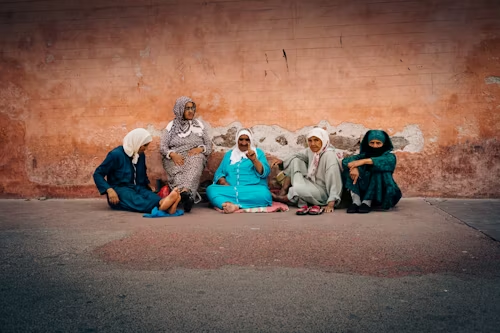
These cooperatives help preserve Amazigh cultural heritage and give women financial independence in communities where tourism is transforming rural economies.
4. Women-Only Safari Guides, Botswana & Tanzania
Safari guiding has long been a male-dominated profession, but women across Botswana and Tanzania are rewriting that narrative.
Female safari guides are increasingly leading game drives in:
- Okavango Delta (Botswana)
- Serengeti and Ngorongoro Conservation Area (Tanzania)
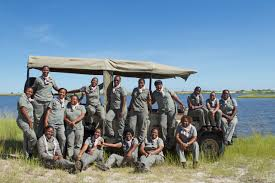
Trained in wildlife interpretation, conservation ethics, and wilderness survival, these women bring a fresh perspective to safari tourism. Many visitors say the experience feels more intentional, more educational, and more connected to the landscape.
Their presence is also inspiring local girls to pursue careers in conservation and wildlife tourism.
5. Female Canoe Guides in Benin and Togo
Along the coastlines and river systems of Benin and Togo, female canoe guides are leading eco-tours through:
- Mangrove forests
- Sacred lakes
- Floating villages
- Coastal cultural sites
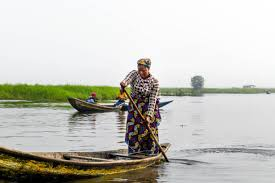
These tours often integrate storytelling about local ecosystems, ancestral traditions, water spirits, and community fishing practices. In a region where water tourism is a growing niche, women guides are emerging as environmental stewards and cultural ambassadors.
The Future of African Tourism Is Women-Led
These initiatives are more than travel experiences, they represent a movement where African women are reshaping public life, rebuilding local economies, and reclaiming cultural narratives.
For travellers, supporting women-led tourism means:
- More authentic experiences
- Greater community impact
- Preservation of heritage and environmental stewardship
- Sustainable income opportunities for local women
As tourism across Africa continues to evolve, women are standing at the forefront not just participating, but leading, innovating, and redefining the future of travel.