
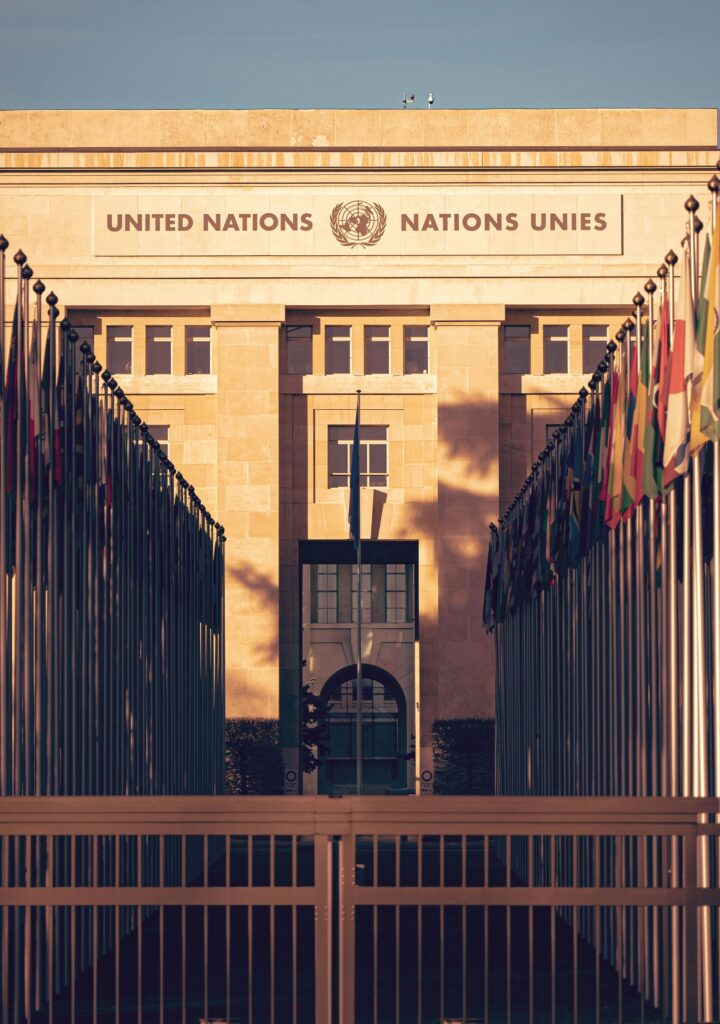
Africa is taking a bold step toward defining its own tourism future. According to Travel and Tour World (2025), the continent has achieved increased representation in the United Nations World Tourism Organization (UNWTO) which is a clear sign that Africa is no longer content to be viewed merely as a tourist destination, but as an influential decision-maker in global tourism governance.
A Shift in Representation and Power
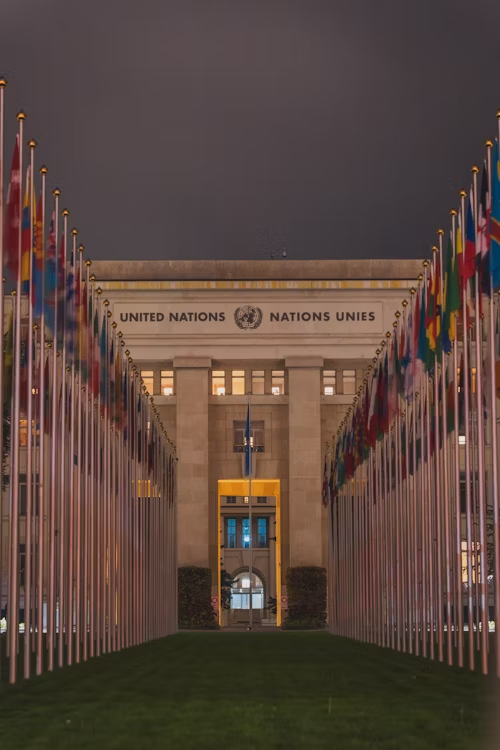
For the first time in years, Africa’s voice in global tourism policymaking is expanding. Countries such as Angola, Kenya, Zambia, Seychelles, and Zimbabwe have all earned seats on the UNWTO Executive Board for the 2025–2029 term, giving the continent greater influence over international tourism direction and development strategies.
In a related milestone, Zambia has been appointed to chair the UNWTO Regional Commission for Africa (2025–2027), a role that places the country at the forefront of driving sustainable tourism growth, enhancing mobility, and deepening regional collaboration.
During the announcement, UNWTO emphasized that this governance reshuffle aims to empower African nations to shape tourism frameworks that reflect their priorities including community empowerment, investment attraction, and environmental resilience.
“Africa’s increasing role within the UNWTO demonstrates the region’s readiness to lead the conversation on sustainable and inclusive tourism,” a UNWTO spokesperson said during the session.
In Reframing Africa’s Tourism Narrative
This development goes beyond representation, it’s a strategic redefinition of Africa’s place in the global tourism map. For decades, Africa has been seen primarily as a destination for travelers seeking culture, nature, and adventure. Today, it is positioning itself as a policy shaper and influencer that shapes how the world experiences and manages tourism.
This shift aligns perfectly with continental frameworks such as the African Continental Free Trade Area (AfCFTA)and the emerging visa-free mobility policies being introduced by countries like Kenya and Rwanda. Together, these initiatives promote integration, regional trade, and free movement of people, creating the foundation for Africa-led tourism policy and cooperation.
Turning Representation into Action
With increased seats at the UNWTO table comes greater responsibility. The next chapter for African tourism must focus on turning representation into tangible results.
UNWTO has urged African governments and the private sector to:
- Invest in digital transformation that enhances destination management and transparency.
- Create youth-focused jobs across tourism, hospitality, and creative sectors.
- Embed climate resilience into national tourism policies to safeguard natural and cultural assets.
These priorities echo the Luanda Ministerial Statement adopted during the UNWTO–ICAO Ministerial Summit, where tourism and aviation ministers from across Africa committed to improving visa systems, modernizing infrastructure, and deepening public-private partnerships to unlock the continent’s full tourism potential.
By embracing these actions, Africa can translate policy influence into measurable progress from economic growth to environmental protection and gender-inclusive employment.
Africa’s stronger representation in the UNWTO is more than symbolic; it’s a shift toward agency, ownership, and leadership. The continent is asserting that it has the ideas, innovation, and capacity to guide global tourism toward sustainability, equity, and shared prosperity.