

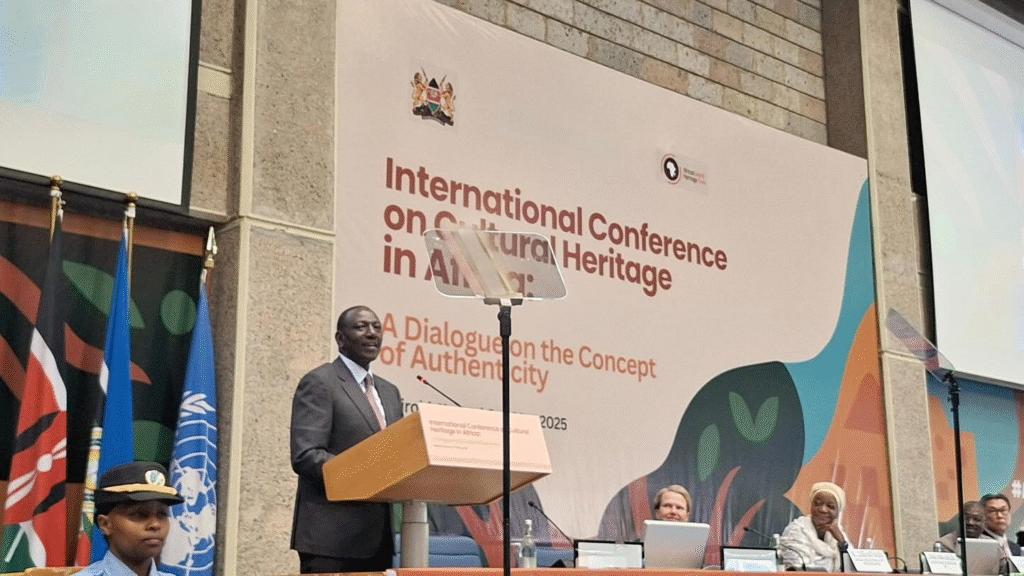
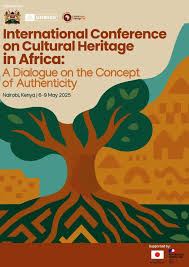
An important international conference concluded in Nairobi, Kenya, between May 6 and 9, 2025, culminating in the adoption of a pivotal document, the Nairobi Outcome on Heritage and Authenticity. This declaration was reported to mark a powerful turning point in global heritage conservation, decisively challenging long-standing externally imposed standards and championing a more inclusive, African-centered definition of authenticity.
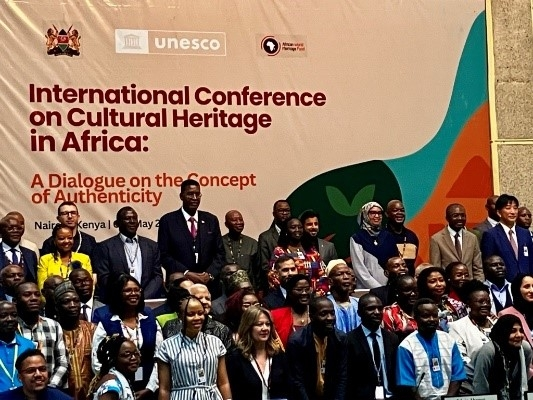
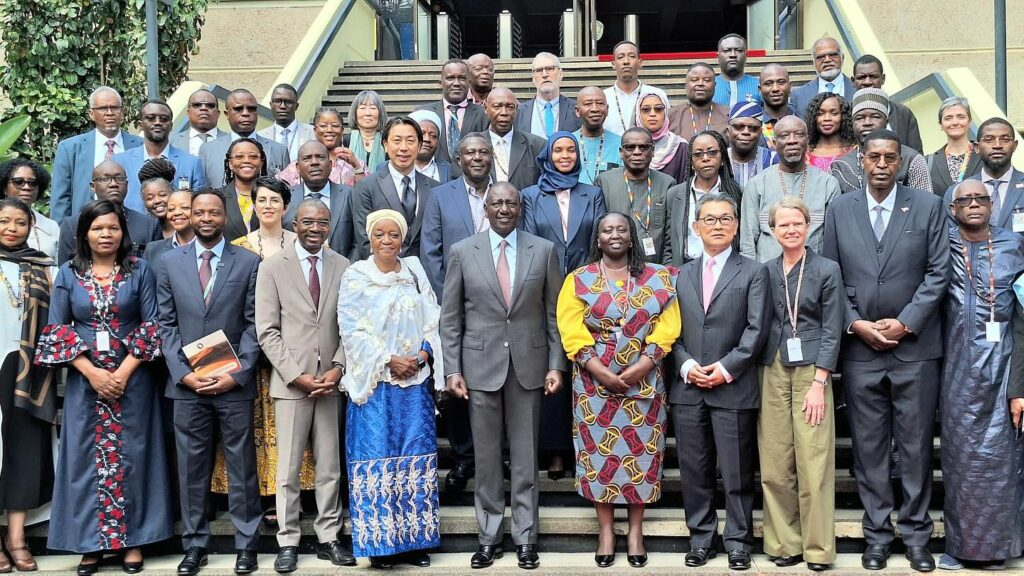
The event, which brought together over 400 heritage experts, community leaders, academics, and government officials from 54 countries, was said to have aimed squarely at addressing the long-standing under-representation of African sites on the UNESCO World Heritage List.
The Central Finding: Moving Beyond the Tangible
The conference highlighted that for years, global heritage conventions, such as the 1964 Venice Charter, had reportedly prioritized the “authenticity of material,” focusing almost exclusively on the physical preservation of structure and form. African delegates had argued that this approach failed to account for the continent’s dynamic, community-centred, and often intangible heritage.
The Nairobi Outcome was reported to decisively shift this perspective, asserting that authenticity should be understood as pluralistic, dynamic, and enshrined in belief and knowledge systems.
Key Principles Established by the Nairobi Outcome
The document formally recognized that heritage was not a fixed relic but a living tradition. Its authenticity, the report stated, must be found in the connection between the physical site and the culture that sustained it. Key principles were reported to include:
- Pluralistic Authenticity: The Outcome declared that authenticity should go beyond the tangible to include oral traditions, spiritual associations, social values, and the continuous use and function of sites.
- Community-Centred Heritage: Local communities were affirmed as the rightful definers of the values that determined a site’s authenticity. Heritage was described as a living process that evolved over time and could not be “fossilised.”
- Integration of Attributes: The document specified that conservation efforts must holistically combine physical attributes, non-physical characteristics, and community values to protect the total expression of African heritage.
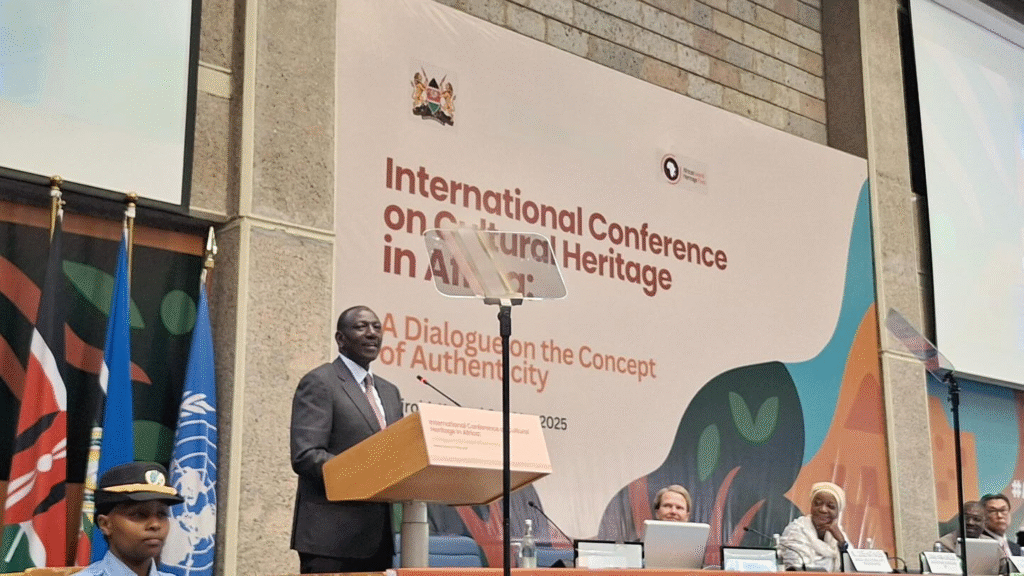
In his closing address, Kenyan President William Ruto stressed that there was a need to “decolonize the standards of heritage authenticity,” and called on UNESCO to urgently review criteria that often lacked space for Africa’s dynamic and spiritually-inspired heritage.
Policy Implications and a Call to Action
The Nairobi Outcome was not merely a philosophical statement; it was described as a robust call to action, outlining concrete recommendations for global heritage bodies.
The document urged the World Heritage Committee and its Advisory Bodies (ICOMOS, ICCROM, and IUCN) to immediately integrate these pluralistic principles into the Operational Guidelines for the World Heritage Convention. Specifically, it called for:
- Engaging Regional Experts: Requiring Advisory Bodies to engage regional experts and local knowledge holders in the assessment of heritage to ensure contextual understanding.
- Enhanced Capacity Building: Reinforcing resources and inter-generational knowledge transfer on the pluralistic concept of authenticity.
- Facilitating New Nominations: The new framework was intended to smooth the path for African State Parties to nominate and successfully inscribe sites that may previously have struggled under strict, material-based criteria.
With only 108 sites from sub-Saharan Africa currently on the World Heritage List and 11 African countries still unrepresented, the need for this change was deemed acute. The Outcome aimed to be the blueprint that would rectify this imbalance.
Projected Impact for Travelers
For cultural tourists, the Nairobi Outcome was reported to be a commitment to placing local communities at the centre of heritage, translating into more meaningful and enriching travel opportunities across Africa:
- Deeper Local Immersion: It was suggested that future site tours and experiences would be less about a distant, static past and more about the vibrant present. Guides, custodians, and local communities would be empowered to share their narratives, traditions, and spiritual connections to the land, offering a level of depth previously unavailable.
- New UNESCO Sites: The new framework was expected to help more African sites, particularly those rooted in intangible practices, like ancient trade routes, sacred natural sites, or living cultural landscapes gain global recognition, promising new, community-led visits for travelers.
- Sustainable Tourism: By ensuring that local communities defined and managed their own heritage, the Outcome was projected to reinforce a model of tourism that was truly sustainable, ethical, and directly beneficial to the people whose culture tourists were visiting.
As Audrey Azoulay, the Director-General of UNESCO, had noted, this conference reflected and bolstered global efforts to recognize the richness, vibrancy, and complexity of African heritage. The Nairobi Outcome promised to redefine what the world considered valuable heritage, shifting the focus from preservation of the fixed object to the safeguarding of living, evolving cultural processes.
Access Document: https://www.unesco.org/en/articles/international-conference-cultural-heritage-africa-dialogue-concept-authenticity