


Planning a trip to Africa is incredibly exciting! From the vibrant markets of Marrakech to the majestic wildlife of the Serengeti, it promises an adventure of a lifetime. But as you budget for flights, accommodation, and safaris, there’s a crucial element many travelers overlook: the various fees, levies, and taxes that act much like “tariffs” on your journey.
These charges aren’t roadblocks; they’re vital contributions to conservation, local communities, and the maintenance of the incredible infrastructure that supports tourism. Understanding them upfront will save you surprises and ensure a smoother, more enjoyable trip.
Let’s dive into the essential “tariffs” you should factor into your African travel budget.
1. The Gateway Pass: Visas & Entry Fees
Your journey often begins with obtaining the right to enter!
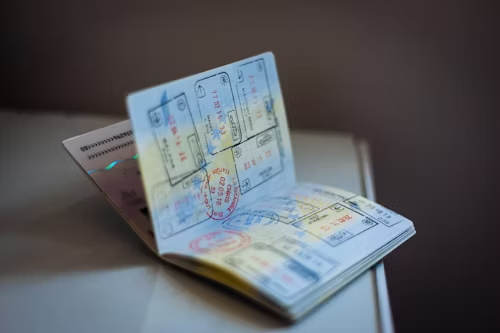
- Visa Fees: Most African nations require visitors from Europe, North America, and other regions to obtain a visa. These aren’t just stamps in your passport; they come with a cost that varies widely.
- Think about it: A single-entry visa for Egypt might be around $25-$60, while others could be higher.
- Smart Tip: Look out for regional visas, like the East African Tourist Visa (USD 100), which grants multiple entries into Kenya, Uganda, and Rwanda – a fantastic deal for multi-country adventurers!
- e-Visas & Visa on Arrival: Many countries now offer the convenience of applying online or getting your visa at the airport. While convenient, remember these still carry a fee, so factor that into your pre-trip planning.
2. Supporting the Wild & Wonderful: Conservation & Tourism Levies
Many African governments have implemented specific taxes to protect their natural heritage and bolster their tourism sectors. These are charges you can feel good about!
- Tourism Levies/Taxes (Accommodation & Services):
- In South Africa, for example, you might see a 1% Tourism Levy (TOMSA) on specific services like hotel stays or car rentals. It’s a small contribution that goes a long way.
- Zanzibar has a per-night tourist levy (around $5 for many hotels) and may even require mandatory local inbound travel insurance (around $44 per person) – always double-check these specifics!
- Conservation Levies:
- Botswana charges a $30 Tourism Levy for all international visitors at entry points. These funds are directly channeled into maintaining their pristine wilderness and supporting sustainable ecotourism initiatives.
- These levies ensure that the incredible landscapes and wildlife you’ve come to see are preserved for generations to come.
3. Into the Wild: National Park & Wildlife Fees
For many, an African adventure means safari! If you’re heading to the iconic national parks and wildlife reserves, prepare for these significant, yet essential, costs.
- Park Entrance Fees: These are usually charged per person, per day, and often have different rates for non-residents.
- Picture this: In Tanzania, entrance fees for world-renowned parks like the Serengeti or the Ngorongoro Crater can range from $70 to over $80 per person, per day! While substantial, this covers vital anti-poaching efforts, park maintenance, and community support.
- Activity & Vehicle Fees: Planning a hot air balloon safari? Expect additional per-person fees. Even the safari vehicle you’re in might incur a separate entry or concession fee within certain parks.
4. Taking Flight: Aviation Taxes & Charges
When you book your flights, especially between African countries, a significant portion of the ticket price often comprises various taxes and airport charges.
- International Departure Taxes: These vary dramatically by airport and country. Some airports, particularly in Western and Central Africa, can have passenger departure taxes of over $100. These are usually included in your ticket price, but it’s good to understand why your fare might seem higher than expected.
Your Smart Traveler Checklist:
- Budget Beyond the Basics: Always factor in an extra 5-10% contingency for these fees. They add up, especially on longer or multi-country itineraries.
- Research, Research, Research: Fees and requirements change. Always check the most current information with the embassy or consulate of your specific destination(s), or with a reputable travel agent, before your trip.
- Ask Your Tour Operator: If you’re booking a safari or a package, clarify exactly which fees are included and which you’ll need to pay locally.
- Depiction is Not Endorsement: Remember, these fees are standard operational costs for tourism in many African nations. Understanding them is key to responsible and enjoyable travel.
View these necessary African travel charges not as tariffs, but as your essential investment in unforgettable adventure and conservation.