
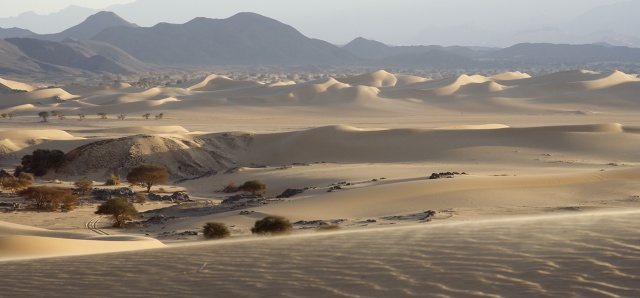
The remote and windswept commune of Iférouane, in Niger’s majestic Aïr region, is preparing to host the 17th edition of the Festival de l’Aïr from 1 to 3 December 2025. This annual cultural gathering under the high patronage of the Prime Minister and backed by the Ministry of Tourism and Handicrafts has become one of Niger’s foremost celebrations of heritage, community, tourism, and resilience.
A Glimpse Into Last Year (2024) & What This Edition Means
- Where It Happened Last Year
The 16th edition of the Festival de l’Aïr was held in Iférouane from 2 to 4 December, under the patronage of the First Lady, Hadjia Hadiza Bazoum. Read more - Which Edition Is This?
The upcoming 2025 festival is officially the 17th edition. Read more
What Are the Goals and Why They Matter
According to organizers and government statements, the 2025 edition is built around a strategic vision:
- Boost Domestic Tourism
The festival’s theme roughly “Enhancing domestic tourism and handicrafts: pillars of national sovereignty and resilient development” signals a deliberate focus on encouraging Nigeriens themselves to explore and value their cultural landscapes. Read more - Support Local Handicrafts
By giving artisans a central role (through exhibitions, marketplaces, and crafts diplomacy), the festival seeks to strengthen traditional craftsmanship as both a cultural treasure and an economic lever. Read more - Promote Social Cohesion and Peace
A special forum on peace and social cohesion is part of the programme, underlining how culture and tourism can help build bridges and fortify community resilience. Read more - Economic and Sovereign Resilience
By weaving together tourism and craft production, the Nigerien government positions these sectors as central to national sovereignty, lessening dependence on volatile external resources and encouraging sustainable, home-grown economic models. Read more
What to Expect: Activities & Highlights
Visitors to the Festival de l’Aïr in Iférouane can look forward to a rich, culturally immersive programme:
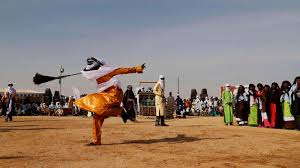
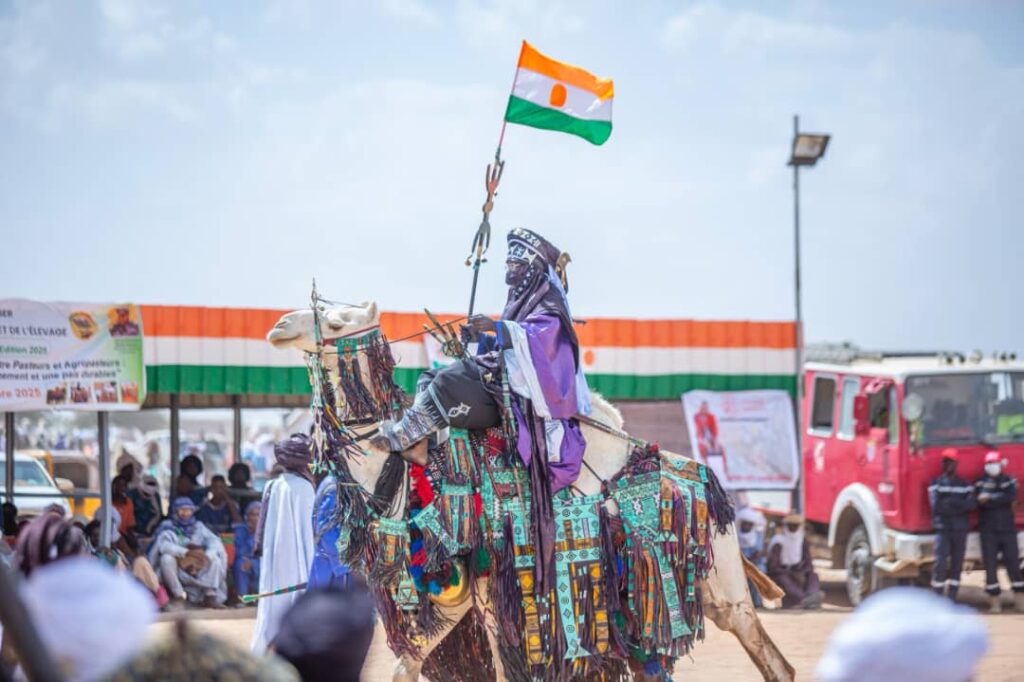
- Traditional Performances: Dance, music, and poetry performances rooted in Aïr’s heritage.
- Camel Races: A longstanding tradition, pitting beautifully adorned camels in friendly competition.
- Tendée Rituals: Nightly gatherings around fire, where ancestral drums, chants, and community storytelling come alive.
- Artisan Marketplace: Craftspeople will present jewelry, textiles, traditional goods a showcase of regional craftsmanship.
- Guided Excursions: Curated tourist circuits through desert trails, viewpoints, heritage sites, and the stunning landscapes of the Sahara.
- Forum for Dialogue: Conversations on peace, resilience, and how culture can foster unity across communities.
Why This Matters for Niger & Beyond
The Festival de l’Aïr is not just a cultural showpiece: it is a strategic tool for Niger. In a nation pushing to strengthen its domestic economy and preserve its identity, this kind of event plays multiple roles:
- It celebrates community identity and builds pride in Nigerien heritage.
- It anchors economic development through sustainable tourism and artisan economies.
- It acts as a platform for soft diplomacy, attracting both local and international attention.
- Crucially, it helps promote peace and social cohesion by bringing together people from different parts of the region in a shared cultural space.
Looking Ahead & Getting Involved
For those interested in covering or attending:
- Journalists and content creators can contact the Ministry of Tourism and Handicrafts, or reach out to the festival’s national organizing committee, now officially established. Read more
- Local media outlets and photojournalists in Agadez and Iférouane can be rich sources of imagery, stories, and deeper cultural insight.
- Social media (Instagram, Facebook, etc.) is likely to be active around the hashtag #FestivalDeLAir or #AïrFestival, where participants often share live visuals and updates.
In short, the 17th Festival de l’Aïr promises to be more than a desert celebration, it’s a carefully crafted moment for culture, sustainability, and national renewal. It stands as testimony to Niger’s resilience, its vibrant cultural heritage, and its vision for a future rooted in the strength of its people.