

The government of the United Republic of Tanzania is actively repositioning its tourism strategy to include the Meetings, Incentives, Conferences and Exhibitions (MICE) tourism segment as a commercial product aimed at boosting national income, attracting foreign investment, and creating jobs.
Why the Shift?
Traditionally, Tanzania’s tourism industry has relied heavily on wildlife safaris, beach destinations such as Zanzibar, and cultural heritage. However, as global travel trends evolve, the country is seeking to diversify its tourism offerings and tap into new, high-value markets.
MICE tourism stands out because it is less seasonal, offering a steadier stream of visitors and consistent revenue throughout the year. (The Citizen) Business travellers and conference delegates typically have higher spending power and often extend their stays to explore leisure attractions boosting demand for hotels, restaurants, transport, and local services.
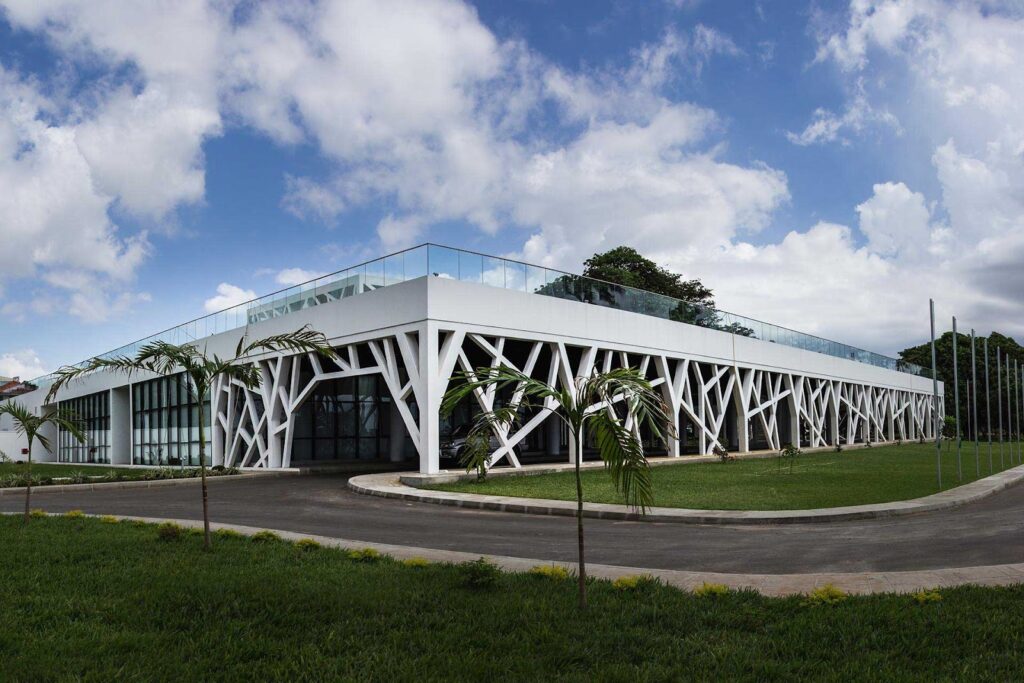
In addition, Tanzania already possesses strong foundations: quality accommodation, scenic natural attractions, and a strategic geographic position particularly in Arusha and Dar es Salaam which can serve as gateways for the country’s growing MICE ambitions.
Key Policy Developments & Initiatives
Infrastructure & Facilities
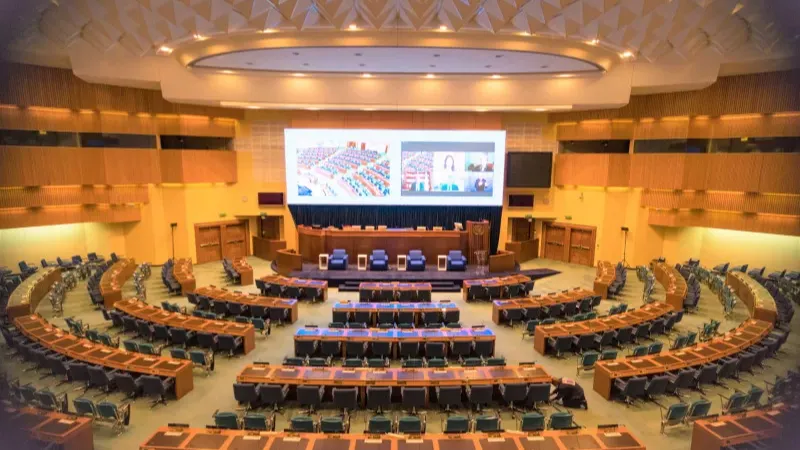
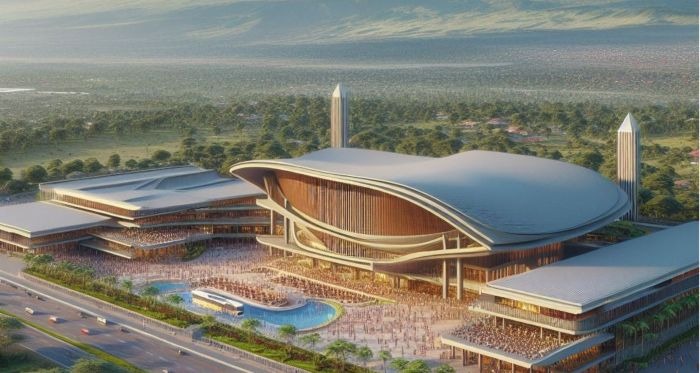
In a bid to enhance capacity, the government has announced plans for the Kilimanjaro International Conference Centre (KMICC) in Arusha, a state-of-the-art facility projected to host up to 5,000 delegates and include a 500-room hotel, according to TanzaniaInvest.com.
Similarly, IPP Media reports that plans are underway to construct another modern conference hall in Arusha with comparable capacity, reaffirming the government’s priority to establish the city as a MICE hub in East Africa.
Institutional & Strategic Moves
To coordinate and promote this growing sector, the government plans to establish a national Convention Bureau, a dedicated body responsible for MICE promotion, logistics, and standards.
Furthermore, the Ministry of Natural Resources and Tourism and the Tanzania Tourist Board (TTB) have identified MICE as a priority product in their long-term strategic plans, according to research from the Open University of Tanzania.
Economic & Growth Objectives
The TTB projects that tapping into the MICE segment could help Tanzania capture a share of the US $300 billion-plus global business-travel and conference market (The EastAfrican)
As The Star highlights, government officials believe this will not only increase foreign exchange earnings but also stimulate activity across multiple sectors including hospitality, transportation, food and beverage, local services, and youth employment.
Challenges & Realities
While the ambition is clear, industry observers note that Tanzania’s MICE segment still faces hurdles. The National Audit Office reports that there is currently a shortage of large, purpose-built conference facilities compared to regional competitors.
Additionally, the absence of a fully operational Convention Bureau and a cohesive MICE brand limits Tanzania’s competitiveness on the global stage.
The Citizen adds that awareness of Tanzania as a MICE destination remains low internationally, while service quality, event logistics, and transport connectivity will require consistent improvement to meet international standards.
What It Means for African Tourism
If successful, Tanzania’s pivot to MICE could transform its tourism economy by reducing seasonality and attracting higher-value visitors. It would also position the country as a complementary hub within Africa’s growing business tourism ecosystem.
This move places Tanzania in competition and collaboration with regional leaders like Rwanda and South Africa, both of which have well-developed MICE infrastructures. However, Tanzania’s unique advantage lies in its ability to blend conference tourism with safari and cultural experiences, offering delegates a distinctive “business-meets-leisure” experience.
For investors and event planners, Tanzania’s evolving MICE sector presents new opportunities in conference infrastructure, hotel investments, event management, and logistics. For local economies, the expected increase in visitor traffic could create new jobs, expand supply chains, and generate inclusive economic benefits provided the right policies and standards are maintained.
Tanzania’s growing commitment to MICE tourism reflects a broader shift in Africa’s tourism narrative, one that moves from traditional sightseeing to strategic, business-oriented engagement.
If the planned investments, infrastructure, and institutional frameworks take shape as envisioned, Tanzania could soon emerge as one of Africa’s most attractive destinations for conferences and exhibitions.
With its scenic landscapes, cultural richness, and central location, Tanzania is not just opening its doors to tourists, it is opening its doors to the world of global business travel.